Content
E-Commerce
Connecting Stock, Pickup, Returns and Refunds Across Channels: Do You Need an OMS?
Time to read: 6 minutes

Do you need an order management system (OMS), or agreed rules between systems you already own? Start with one fulfillment model. Adding another system without deciding who owns reservations and exceptions can create another competing version of the order.
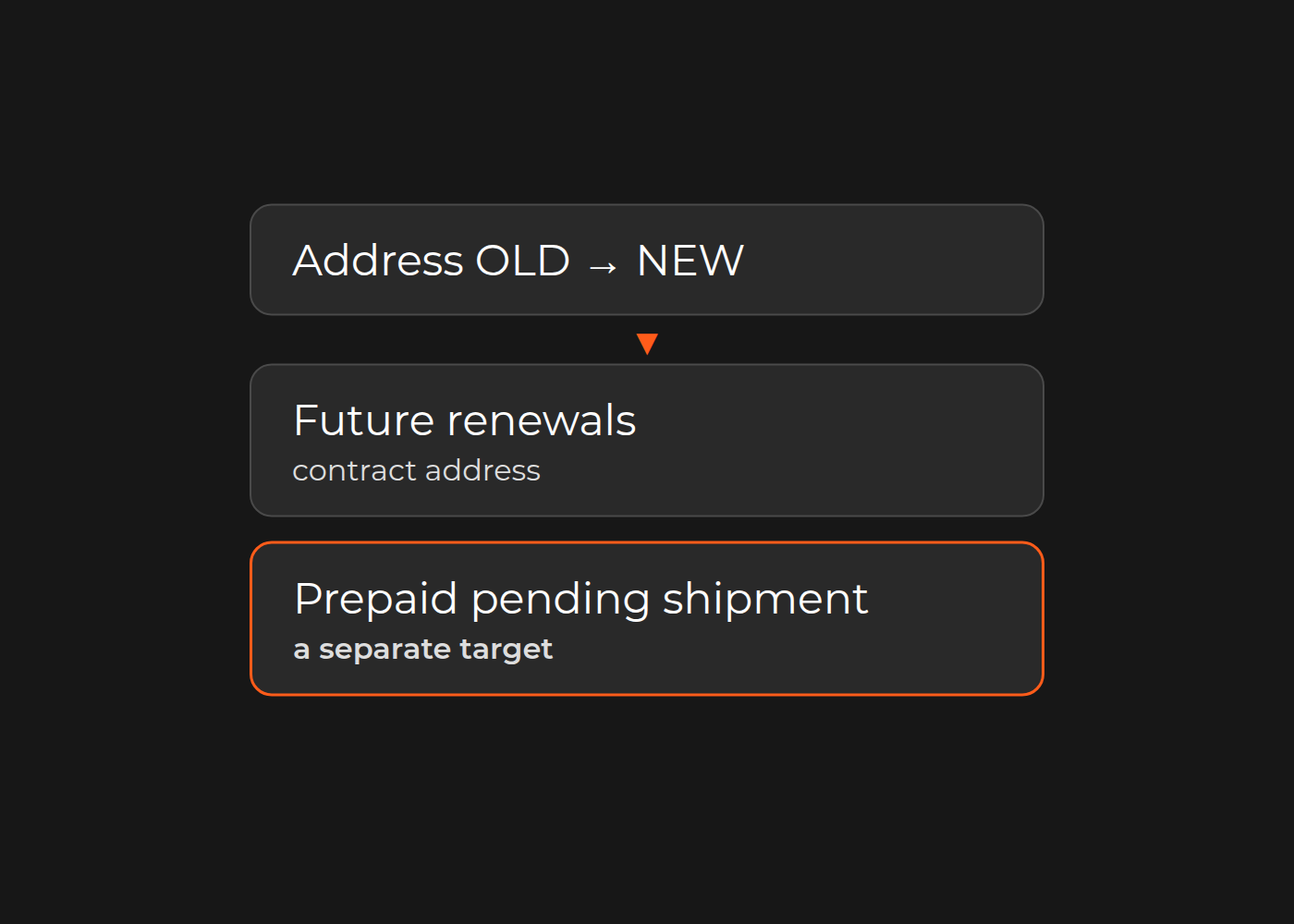
If one designated system can own each fact and the gaps are labels or mappings, configure what you have first. If allocation and multi-location exceptions need a central operator, evaluate an OMS. If adequate systems cannot complete their handoffs, investigate bounded integration or orchestration. These routes can combine; none removes the need to decide who may write each state.
This guide helps retail operations, ecommerce, and IT leaders compare those routes against the same flow—from the customer’s offer through physical movement and financial reconciliation.
Start with the writer of the hold
Before requesting proposals, answer three questions. They identify the missing capability, not an automatic software purchase.
Can the current systems support one coherent reservation contract?
If one authority can create, expire, and release a hold, and the gaps are supported configuration, labels, or mappings, configure existing systems first. Demonstrate cancellation and recovery as well as the normal order. Existing system owners and operations retain the shared runbook. This route loses its advantage when a correct-looking status screen still conceals manual allocation or unowned exceptions.
If two systems write reservations for the same order, first test whether supported configuration can disable the redundant writer while preserving the shared reference. Faster synchronization does not remove a second writer.
Does allocation need a central operator?
When location selection, split orders, and multi-location exceptions need a coordination role that existing systems cannot provide, evaluate an OMS. Ask it to demonstrate allocation, partial fulfillment, cancellation, pickup tasks, and reconciliation through your actual interfaces. The operator may own coordination; inventory, stores, and finance retain their domain duties.
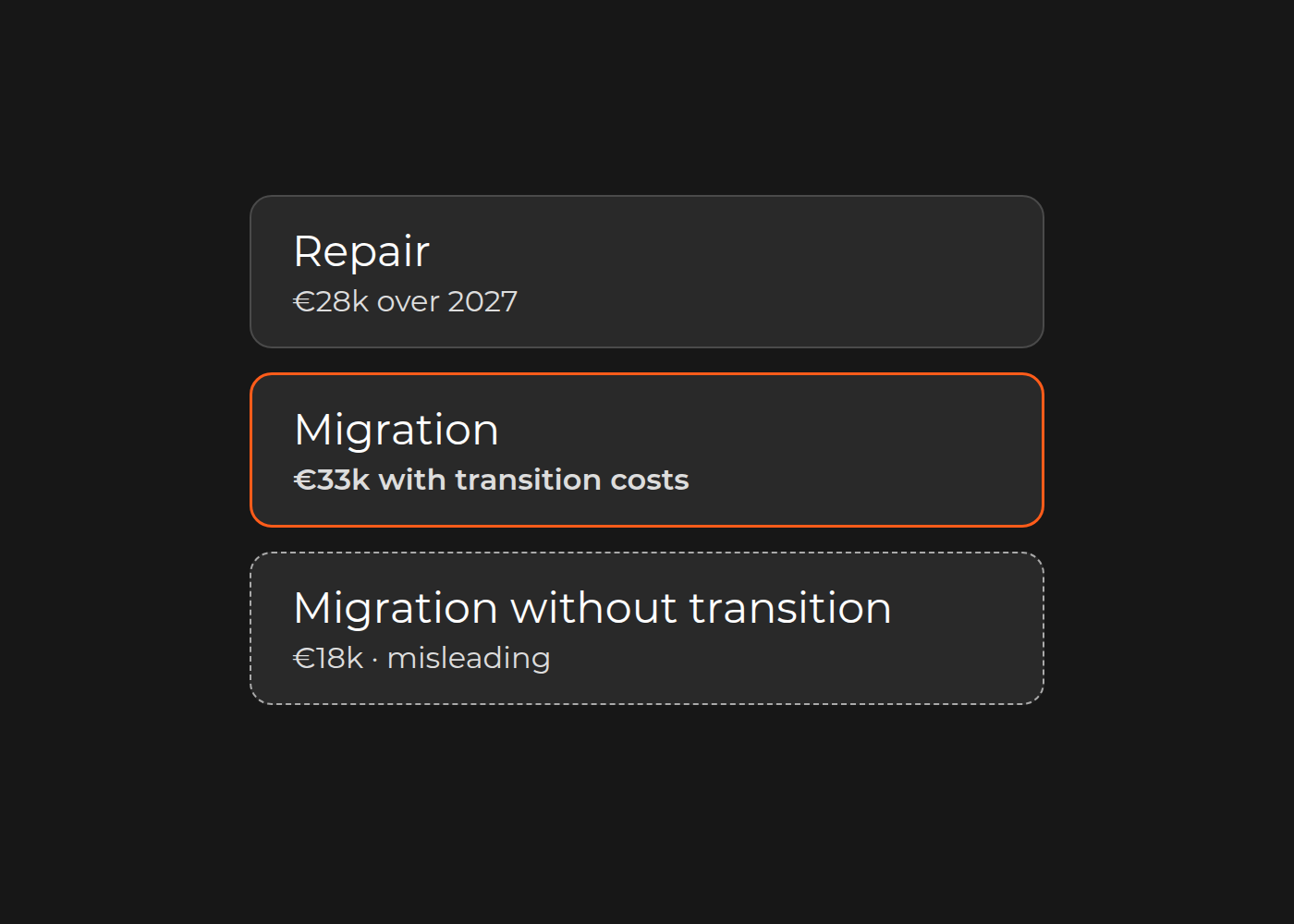
An OMS is a poor addition if it simply stores another order state while stores continue taking allocation decisions elsewhere. Include adoption, configuration, licenses, training, and responsibility for exceptions—not just connectors—in its evaluation.
Are the systems adequate, but the handoffs incomplete?
If existing systems perform their jobs and the missing work is mapping or coordination between supported interfaces, evaluate bounded integration or orchestration. Prove identifier mapping, ordering, duplicate handling, recovery, and observability. Name the integration maintainer and operational exception owners.
Custom code becomes a weak route when it must recreate core inventory or order-management functions without an accountable product owner and maintenance budget. Do not build an undocumented second inventory ledger to avoid evaluating an OMS.
Name the facts and their authorized writers
Recorded stock, sellable availability, and reserved quantity are not interchangeable. Current availability is not a demand forecast. For the selected flow, copy the following headings into an ownership record and replace each candidate with your actual system and owner.
| Fact | Record commerce needs | Accountable domain |
|---|---|---|
| Physical stock | Location, SKU, unit, condition, source time | Inventory operations |
| Sellable availability | Eligible quantity/status, exclusions, freshness | Inventory + ecommerce |
| Reservation | Hold ID, order ID, expiry/release state | Order/inventory operations |
| Order route | Location allocation and line status | Fulfillment operations |
| Pickup readiness | Confirmed preparation event | Store operations |
| Return | Eligibility, receipt, quantity, disposition | Returns operations |
| Refund | Approved action, payment/accounting reference | Finance/payment operations |
For every row add one authorized writer, its consumers, update freshness, ordering/version rules, failure behavior, and reconciliation owner. ERP, OMS, WMS, POS, and commerce are candidates to assess—not universal prescribed owners. Return policy interpretation belongs to the responsible policy/legal owner.
Compare the same flow and exceptions for every route. An OMS still depends on reliable stock inputs and physical execution; custom integration requires funded maintenance. Check current edition, API, licensing, and support details with the product vendor before committing.
Worked decision: two writers for one hold
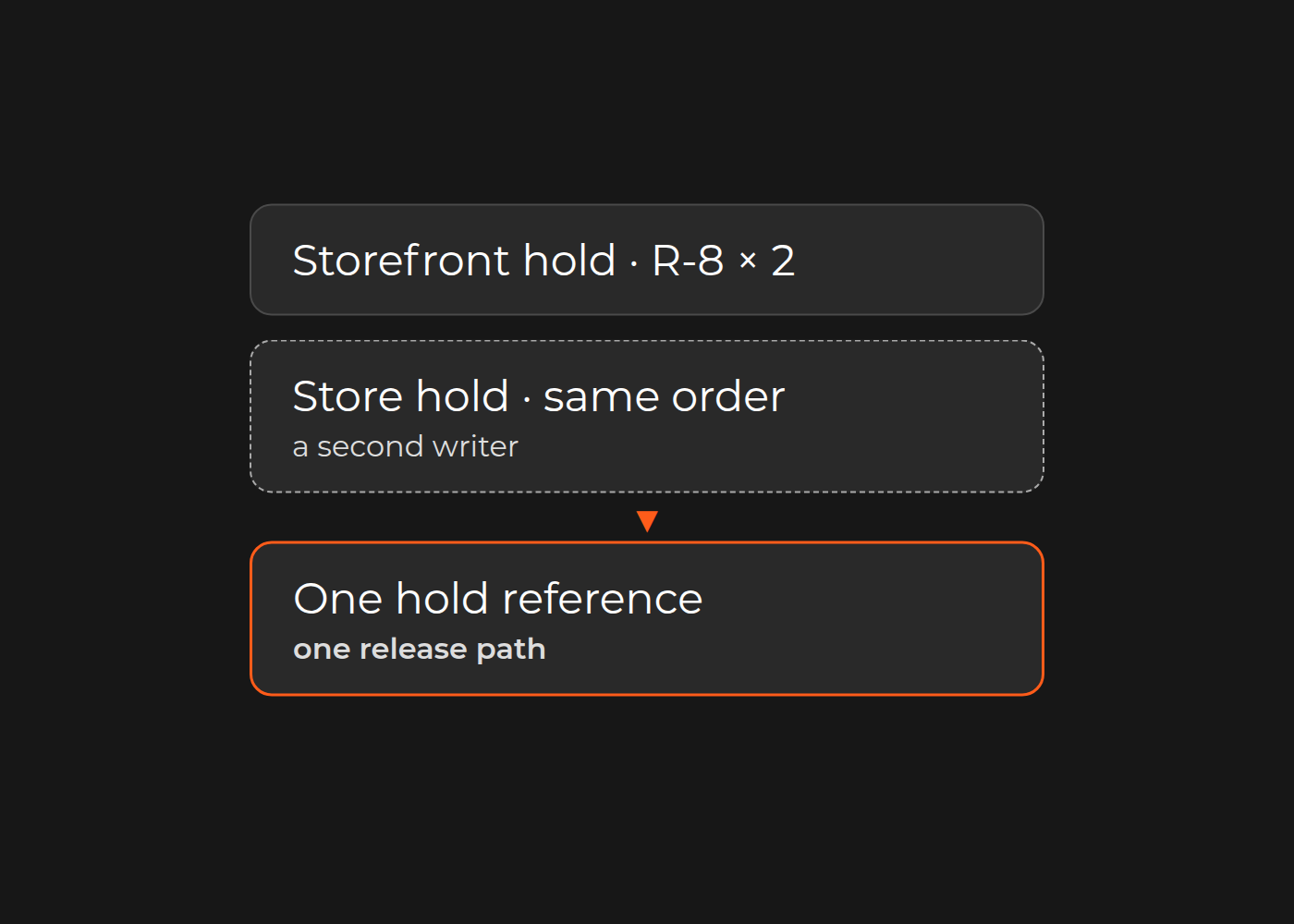
In a fictional flow, the storefront writes a hold for two units of R-8. Forty minutes later, the store system creates another hold for the same order rather than updating the first. The delay is illustrative, not a service target. Ask each proposed route to show which authority remains and how the other system refers to its hold.
If supported configuration stops the second write and preserves the hold reference, that is the smaller fix. If local reservations must remain, test whether supported interfaces let the designated authority coordinate them without double counting. Evaluate an OMS for missing allocation/exception capability; evaluate orchestration for incomplete handoffs. If neither establishes a coherent reservation contract, resolve the design before expanding the pilot.
Replay the order, delay its events, and cancel it. The records should show the intended held quantity and one accountable release path. Include responsibility for preserving that behavior after upgrades in the estimate.
For a later partial return, link the order-line and return references. Receiving one unit neither makes it sellable nor authorizes a refund. Returns operations owns disposition; finance owns refund approval and payment/accounting reconciliation.
Require the chosen route to handle uncertain states
Keep line quantities and authoritative references instead of compressing every exception into “failed.” The same test set should cover:
- Stale stock or hold timeout: preserve source time, hold reference, expiry, and visible state; test fallback and investigation after a delayed feed or response.
- Partial pickup or expiry: preserve line quantities and handover/hold references; check the remaining hold after partial preparation or collection expiry.
- Duplicate return receipt: replay the same event identity and check for an extra receipt or unintended financial action.
- Uncertain refund response: finance investigates the existing request and payment state before retrying.
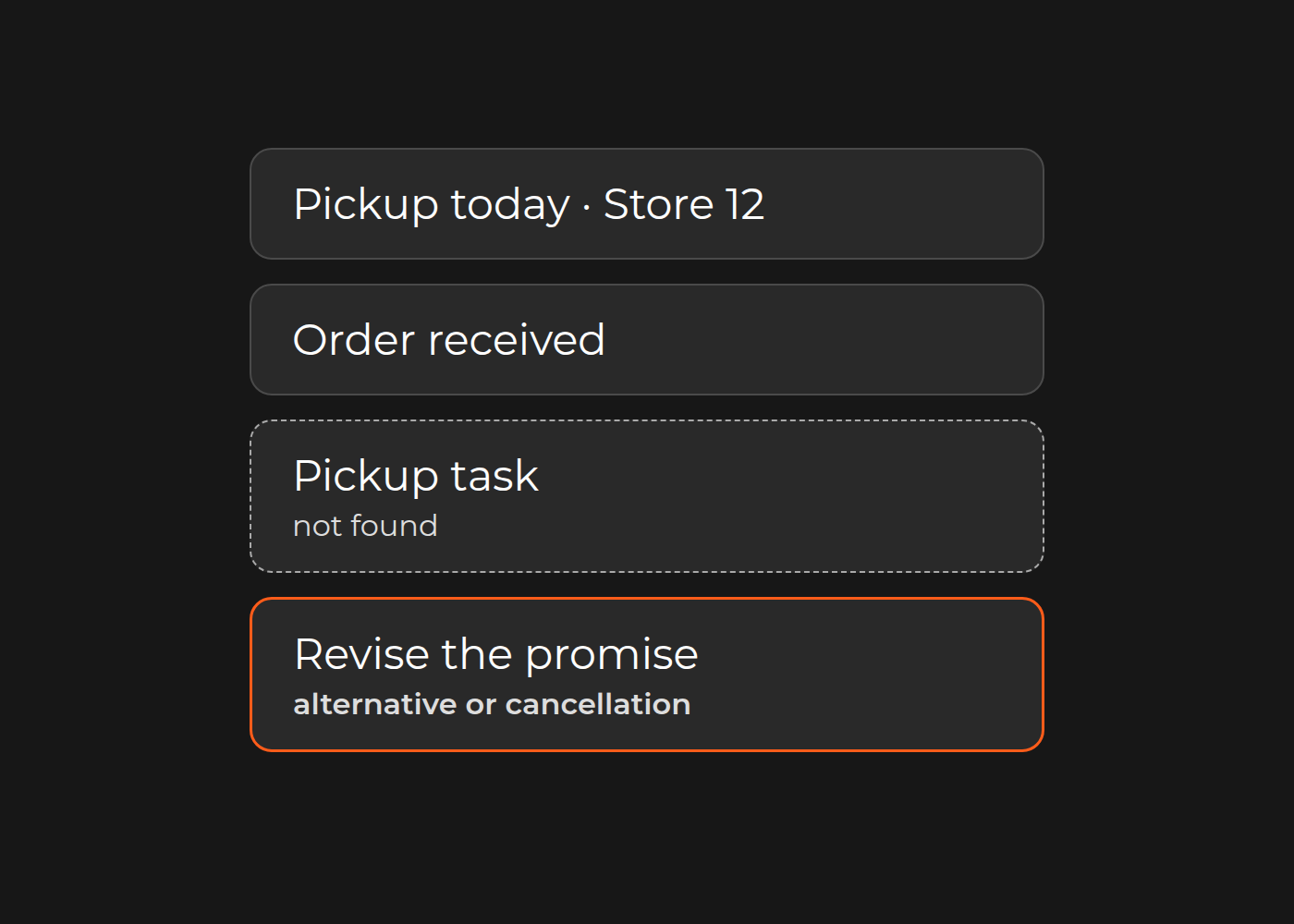
Customer messages must describe the supported state: “order received” must not imply “ready for pickup.” Operations, finance, and policy owners approve their controls. Turn the requirements into operator-led omnichannel fulfillment acceptance testing, including alerts, reconciliation, release recovery, and a handover rehearsal at the pilot locations.
Use relevant delivery evidence without borrowing a whole solution
The Prostor case describes Dinarys’ Magento 2 migration, an offline pickup module, custom loyalty, ERP/CRM integration, and a custom API layer for ERP data exchange. The public account also describes early inventory inconsistencies requiring reconciliation, followed by synchronization-frequency changes and a validation layer. That is useful evidence for demanding state validation and operational coordination—not just a completed interface.
It does not establish a complete OMS or returns/refund rollout, nor validate the fictional R-8 flow. Those remain pilot requirements. For gaps between commerce and back-office systems, review Dinarys’ ERP integration services.
Select one fulfillment model and validate its ownership record with operations, ecommerce, IT, and finance. The COO or authorized budget owner can then compare the cost and risk of the smallest sufficient route. To discuss the uncovered integration scope with Dinarys, bring sanitized order/return events, the proposed writers, location IDs, current interfaces, and one costly exception. Expand only after operators accept the flow and can use its runbook.


Let professionals meet your challenge
Our certified specialists will find the most optimal solution for your business.