Content
E-Commerce
Your Store Promises Delivery That Operations Cannot Fulfill
Time to read: 6 minutes

Online checkout offers pickup today. The store cannot find the reservation. Customer service calls the branch, the customer waits, and someone must decide whether to source the item elsewhere or cancel.
This is not necessarily a slow inventory feed. “Available,” “reserved,” “ready,” and “collected” describe different facts, often held by different systems. A storefront can show availability without a reservation or pickup task existing. Before buying an order management system, trace one promise through those facts and find the missing transition.
For a COO or retail ecommerce leader, the first useful outcome is choosing one costly exception to fix—not declaring the entire network “real time.” Pickup is the example here; home delivery needs the same separation between offer, reservation, preparation, dispatch, and delivery.
Six status words, six different facts
Agree what each status means before comparing dashboards. “Complete” might mean payment authorization, internal task closure, store handoff, carrier delivery, or accounting closure. Those meanings cannot safely share one customer message.
Available means what may be offered under a defined source and freshness policy. Inventory and ecommerce owners need the eligible quantity or status, source time, and rule behind the message. Does “pickup today” reflect eligible stock, or just a recorded quantity?
Reserved means the inventory/order system has acknowledged a hold for this order, for an agreed period. The order owner needs the hold acknowledgment and expiry or release state. Did checkout obtain a hold, or merely receive the order?
Ready means operations has actually prepared the item for pickup or dispatch. The notification should follow the preparation event, not simply order receipt.
Collected or delivered means the applicable physical handover event exists. Store operations or the delivery-service process supplies that evidence; service needs a usable reference. Payment authorization does not establish handover.
Return received means a physical receipt, potentially followed by inspection. Returns operations needs the return reference, item, quantity, and disposition. Arrival alone does not decide whether the item can be resold.
Refund outcome means an authorized financial action and its payment/accounting status. Finance needs to distinguish requested, confirmed, failed, and unresolved refunds. A physical return does not establish that money was returned.
A stock number cannot by itself establish picking capacity, carrier cutoff compliance, or a delivery date.
Map one promise from storefront to exception
The following fictional pickup incident shows how to investigate without assuming the technical cause. Its timestamps are explanatory, not service targets.
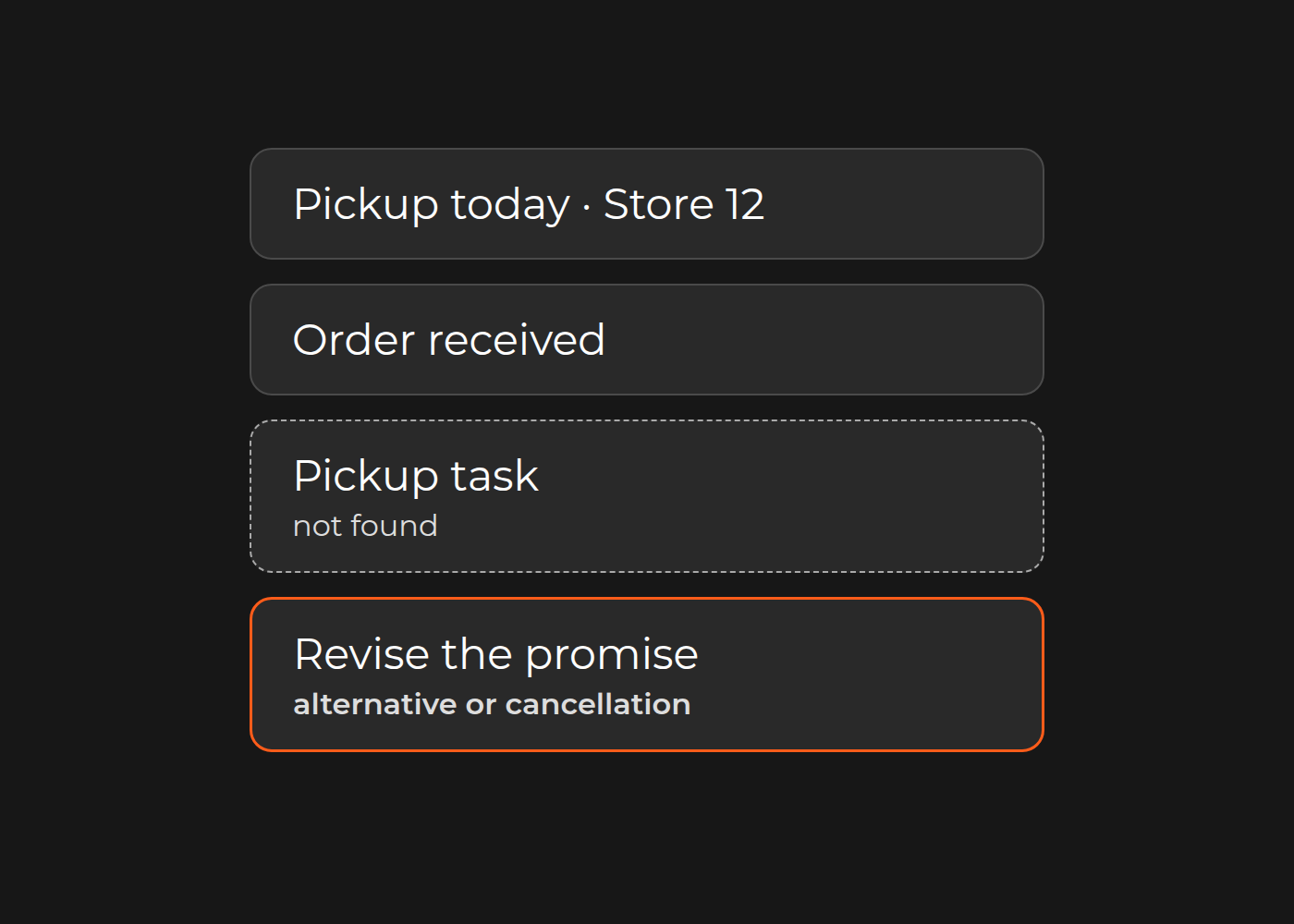
- 10:00—available is claimed. The storefront displays “pickup today” for SKU P-7 at Store 12. That is a promise to check, not proof of reservation.
- 10:02—received is observed. A checkout receipt exists. Whether a hold was requested and acknowledged is still unknown.
- 10:05—ready is unsupported. No actionable pickup task appears in the store queue. Investigate the missing transition rather than sending a ready message.
- 10:20—physical availability is questioned. Staff cannot locate the item. The record alone cannot distinguish allocation, condition, or count problems.
- Resolution—revise the promise explicitly. Service and operations apply the approved alternative, revised promise, or cancellation route.
Capture this map for a real, authorized sample: customer promise and time; source stock/version; order and location IDs; reservation acknowledgment; preparation and handover events; exception owner; final customer outcome. Add return receipt and refund references when applicable. Leave an unobserved transition unknown rather than filling it from a later status.
Use the symptom to choose the first check
The symptom identifies whose evidence to inspect; it does not establish the cause.
- No pickup task or reservation: the order integration owner checks the hold request and acknowledgment; store operations checks task creation.
- Available online, unavailable at the location: the inventory owner compares source time, eligibility rules, other allocations, and physical count. Faster feeds will not fix an incorrect allocation rule.
- Only part of the order ready: fulfillment operations checks line-level reservations and picking exceptions before changing the whole-order status.
- Prepared but not handed over: store operations and service check collection evidence, task closure, and customer notification.
- Canceled after preparation: order operations checks when cancellation reached the location and who released or retained the hold.
- Returned but refund unresolved: finance checks the authorized action, payment result, and accounting entry.
The ecommerce leader owns the customer wording; operations accepts physical readiness; IT validates transitions and recovery. Finance approves the cost interpretation and refund controls. A COO or authorized budget owner chooses the investment once those owners agree on the break.
Choose a costly exception using defensible data
Group an authorized incident sample by failure type. Keep frequency, handling effort, customer outcome, and financial consequence separate. Record incidents, handling minutes, redelivery, alternatives, cancellation, and refund outcomes over a stated period.
Do not convert effort into money until finance approves the relevant labor costs, charges, recoveries, and margin effects. Avoid counting a refunded sale as both lost revenue and an additional cash expense without reconciliation. Rare but severe risks may outrank frequent minor inconveniences.
Choose a failure that is material, observable, and bounded enough to investigate. One pickup model at defined stores is a better first scope than every fulfillment route in the network.
Fix the break the evidence shows
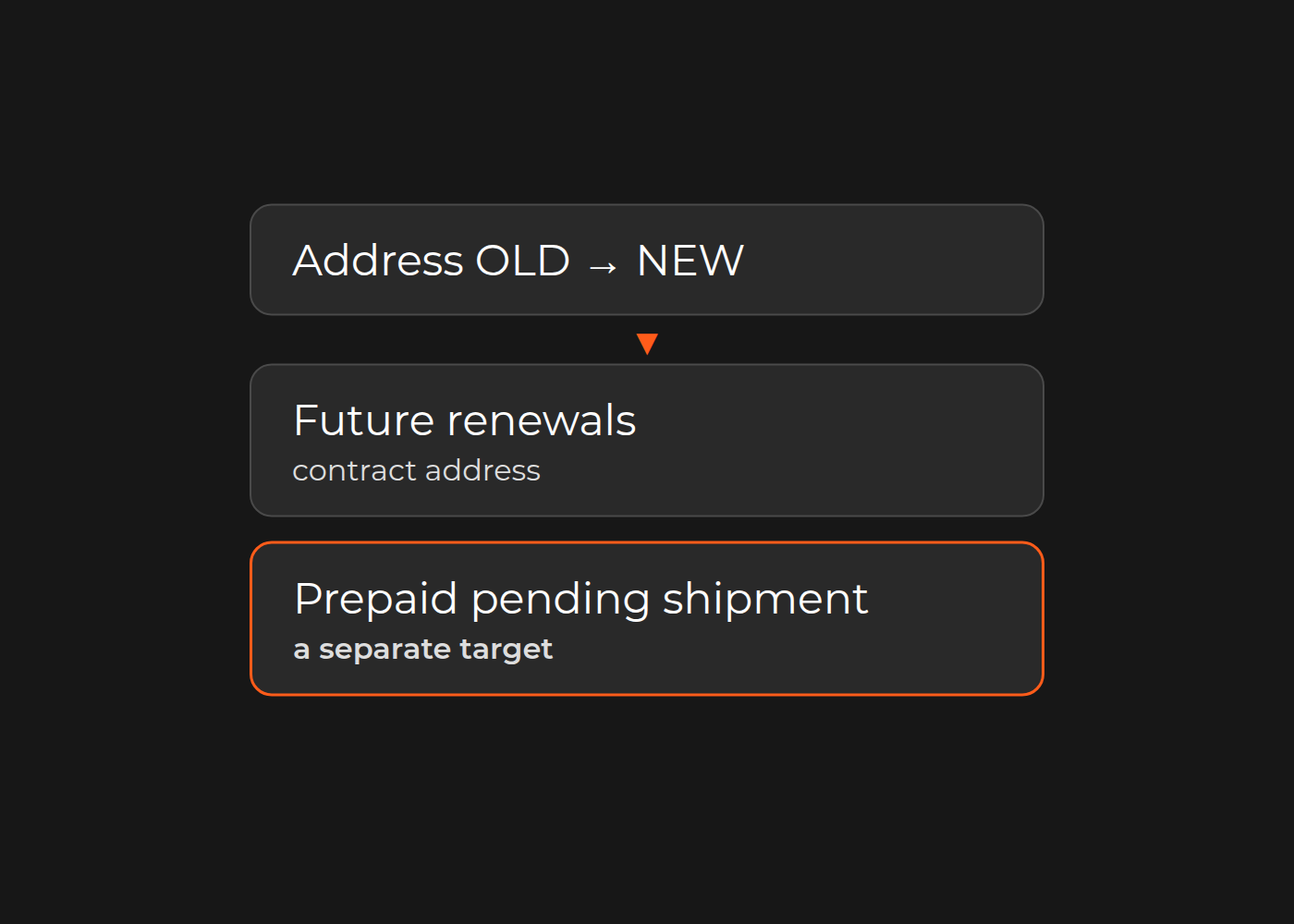
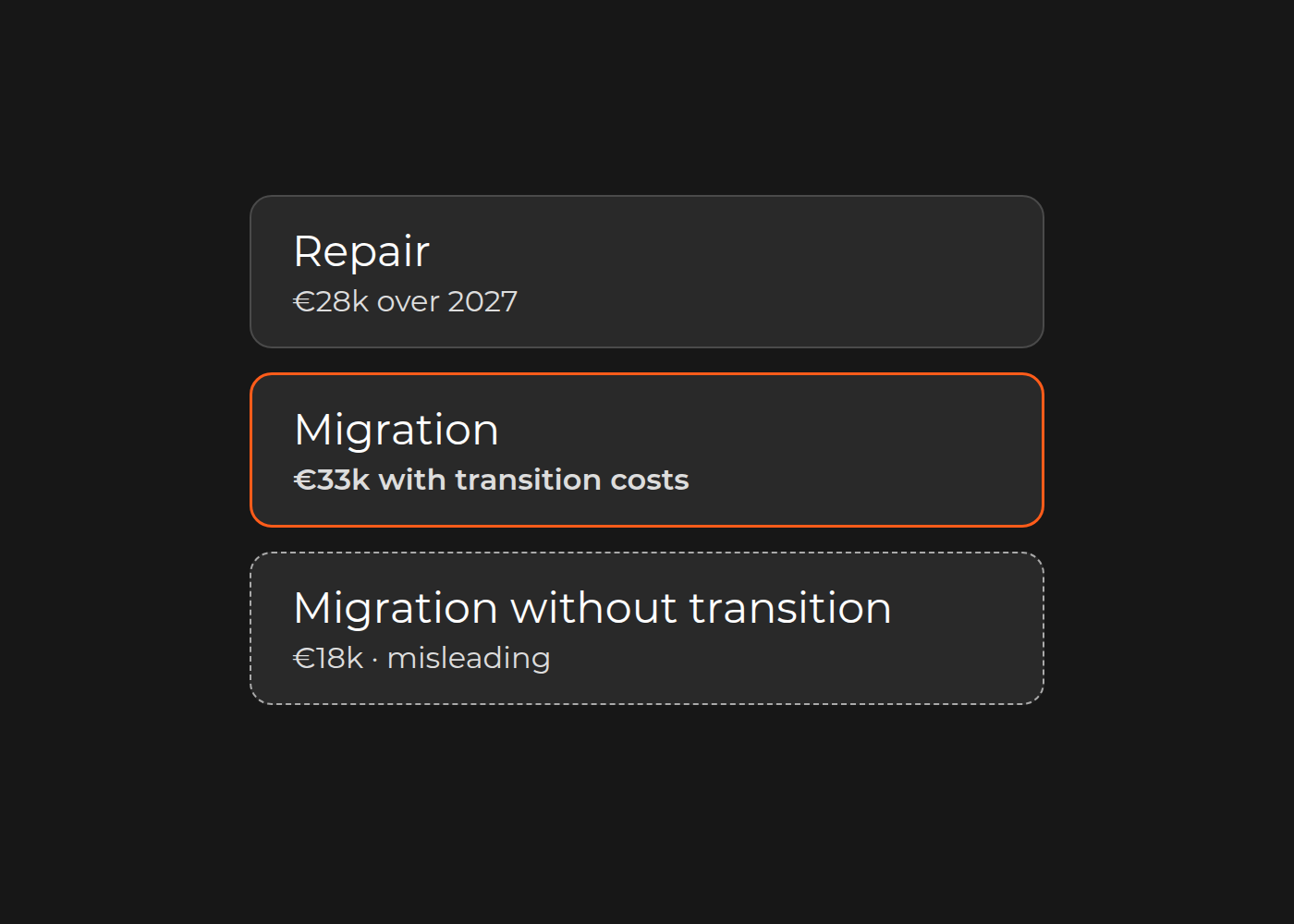
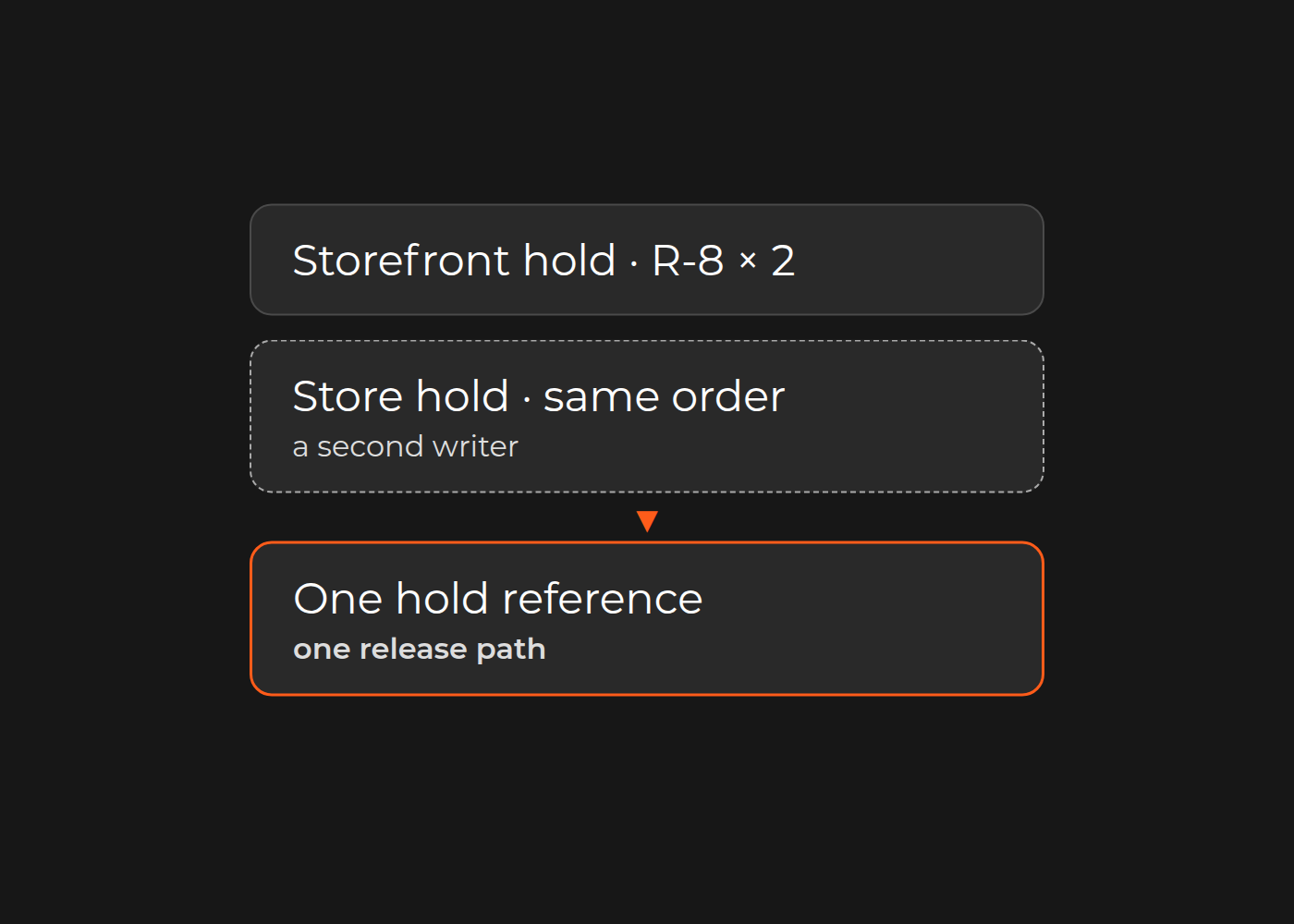
Repair a wrong status mapping or delivery sentence with the current team. Test supported OMS, WMS, POS, carrier, or returns configuration before commissioning custom work. Competing reservation writers or missing cross-system transitions require a broader ownership decision; compare OMS orchestration with integration changes for the same fulfillment model.
The Prostor case supplies a relevant integration lesson. Dinarys’ public account describes a Magento 2 migration with an offline pickup module, custom loyalty, ERP/CRM integrations, and a custom API layer for ERP exchange. It also reports early inventory-state inconsistencies requiring manual reconciliation, followed by changes to synchronization frequency and an added validation layer. The useful lesson is to validate the operational state, not assume a connected API makes it correct.
That is bounded evidence of retail integration and pickup work, not a documented complete returns/refund or OMS rollout. Your own reservation and refund behavior still needs testing. Dinarys’ ERP integration services are a relevant route when the identified break spans commerce and back-office systems.
Do not automate an ambiguous promise
Agree the source, transition owner, and customer wording for each status. For stale or unavailable data, define a fallback: withdraw the precise promise, offer a qualified alternative, or route the order for confirmation according to the approved policy. Do not send “ready” without its supporting operational event.
Choose one costly exception and complete its promise–reservation–handover–return map. To discuss that flow with Dinarys, bring sanitized events for a failed and a successful order, location/system names, current customer wording, and the owners of reservation, physical fulfillment, and refund approval. That is enough to start defining a focused scope—not a promise that software can guarantee physical stock or delivery.


Let professionals meet your challenge
Our certified specialists will find the most optimal solution for your business.